Top 5 Techniques to Retain More Information from Your Textbook
Retaining information from your textbook can be challenging, but employing the right techniques can significantly enhance your ability to absorb and recall material. Here are the top 5 techniques to help you retain more information:
- Active Reading: Engage with the text by underlining key points, writing marginal notes, or summarizing sections in your own words. This not only keeps you focused but also deepens your understanding.
- Chunking: Break down large amounts of information into smaller, manageable chunks. This technique makes it easier to digest complex concepts and improves retention.
- Visual Aids: Utilize diagrams, charts, and flashcards to represent information visually. Visual aids can enhance memory recall by providing a clear and structured representation of the material.
- Practice Retrieval: Test yourself on the material without looking at your notes. This technique reinforces memory pathways and strengthens your ability to recall information under pressure.
- Teach Others: Explaining concepts to a friend or study group is an excellent way to solidify your understanding. Teaching requires you to organize your thoughts and clarify your understanding of the material.
How to Create Effective Study Notes That Work
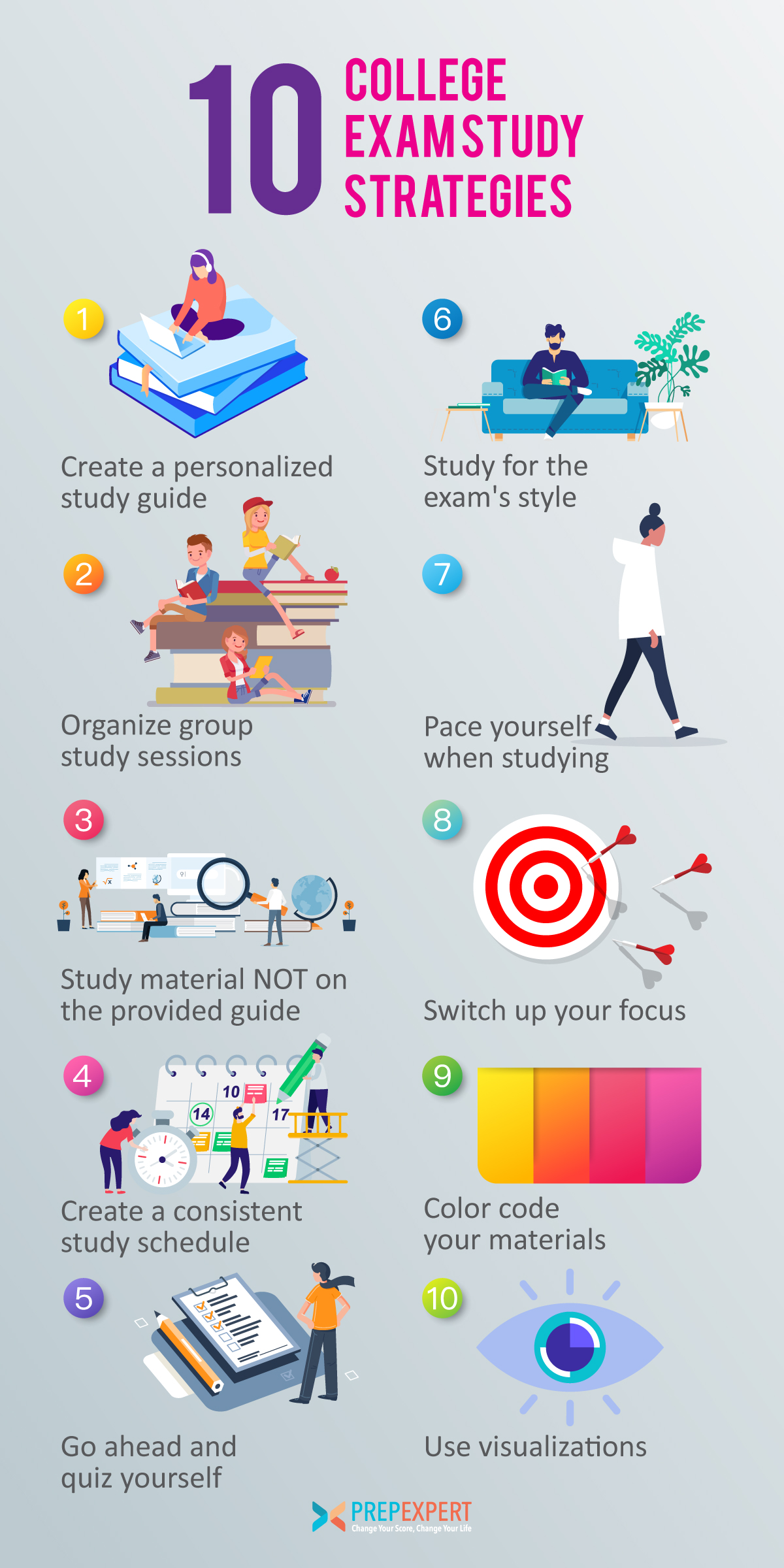
Creating effective study notes involves more than just transcribing information. Begin by organizing your materials, as this sets a solid foundation for effective learning. Start by categorizing your subjects into specific topics, and then use outline formats or mind maps to visualize connections among the concepts. This approach allows you to identify key themes and stay focused on the most critical information. Additionally, consider using color-coding to differentiate between types of information, which can help enhance retention and make your notes more visually appealing.
Once your notes are organized, active engagement is crucial for making them truly effective. Instead of passively reviewing your notes, incorporate techniques such as summarization and self-testing. For example, after completing a section of notes, summarize the main points in your own words, and then challenge yourself with questions based on that material. Furthermore, utilize flashcards or study apps to reinforce your memory. By actively working with your study notes, you’ll improve your understanding and retention of the material, leading to better academic performance.
Is Rereading Your Textbook Wasting Your Time?
When it comes to studying, many students may wonder, is rereading your textbook wasting your time? Although rereading can reinforce information, it often leads to passive learning, where students feel familiar with the material but fail to retain it effectively. Instead of simply going through the content again, students might benefit more from active learning techniques such as summarizing key points, discussing topics with peers, or applying concepts through practice problems. These methods engage the brain in a way that promotes deeper understanding and retention.
Additionally, research suggests that varied study strategies are more effective than repetitive rereading. Instead of spending hours poring over the same chapter, consider implementing techniques like spaced repetition or self-testing. For instance, creating flashcards or taking practice quizzes can not only help reinforce your knowledge but also identify areas where you need additional focus. So, before defaulting to the comfort of rereading, ask yourself: is rereading your textbook wasting your time when there are more effective ways to learn?